Friday, May 29, 2026

Authenticity is Better Than Fashioned Spontaneity - Response to TV Show Viewers: Post 54

Response to TV Show Viewers: Post 1 - January 23, 2026

Response to TV Show Viewers: Post 53 - May 27, 2026

Warning: Soapbox Rant Up Ahead

Making both American Rehab Charleston and Restoring Charleston was a cool experience that spanned three years of our lives. And with streaming TV, it’s lasted longer than most could have expected, which has been a neat surprise.

I suppose, what I’m stepping into here, along with pointing out my own awareness, is educating in the form of some reassurance or alternate view to those on the home improvement television side. If you don’t have a big budget, there’s another way. And in the end, it might just be the best road to high ratings.

Early on, someone mentioned having the secret sauce, how this was needed to make a show that documented the renovation of a house, and that producers of ARC would be ready to pour on this goop. In my opinion, authenticity is the most important ingredient for this sort of recipe, and the more of that sprinkled or even dumped in and on, the better. However, not everyone is pitching their tent in this camp.

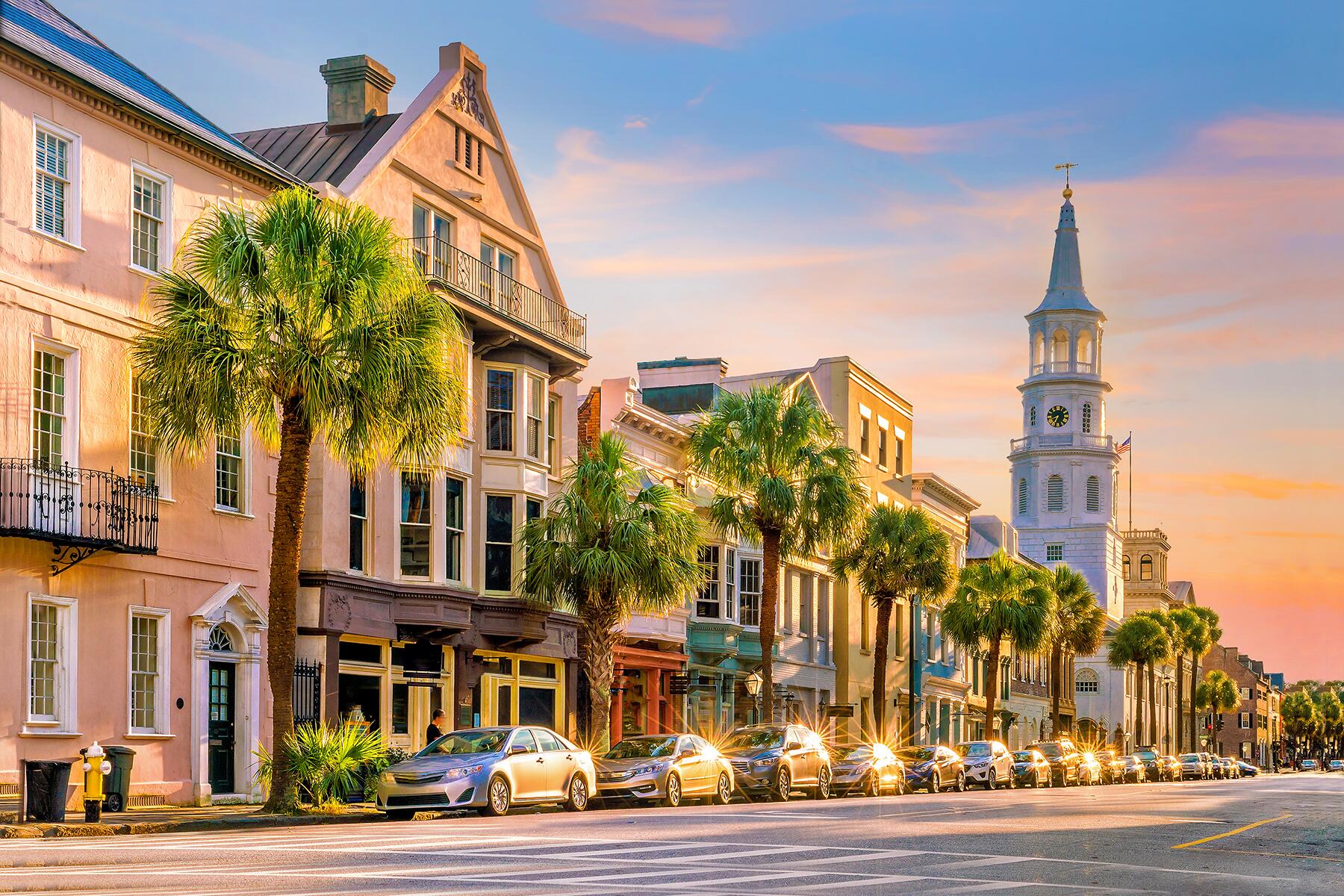
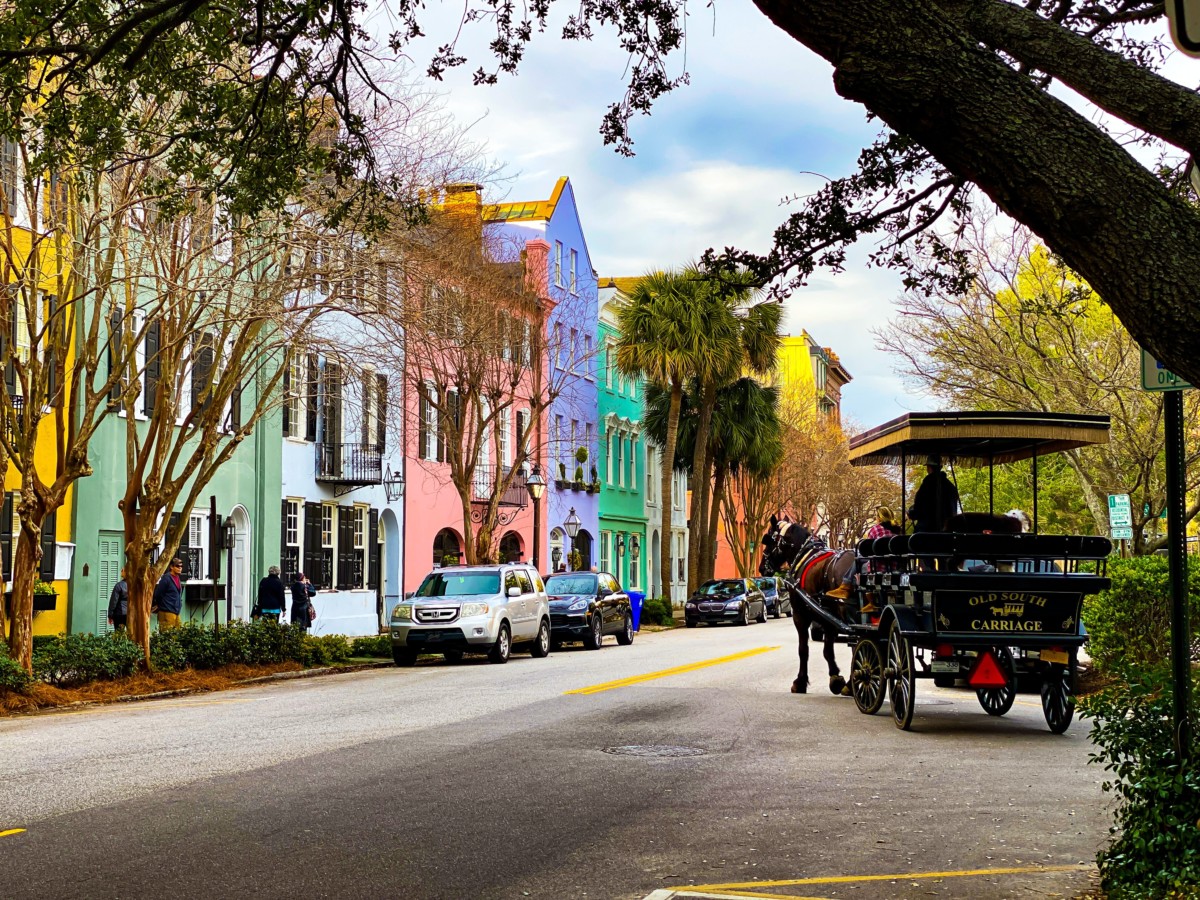
As we filmed the test reel, I said something I believe wholeheartedly. I think Charleston, South Carolina is proof that my statement was and still is valid. It was previously thought out, shared within a post on this blog long before I’d even started speaking to the networks. And this likely helped this conviction roll off my tongue easily while I was being recorded. In part, this remark, and the attitude and honesty that went with it, helped to get me the initial four-episode series. I explained how the Holy City had put in the effort to save its old homes and buildings, leading to all the attention that it has been given, and subsequently the tourist dollars that come with it. And the point I made then, what I’m getting to now, is that it wasn’t easy, but it was worth it. In my opinion, what I said in the clip that was eventually included in the pilot episode, was that what Charleston has worked hard to preserve is “better than brand new.”
I have lived in older homes that someone else renovated. I have also lived in project houses that I have reworked myself top to bottom. I’ve called new construction that others built my home too. But I’ve also been able to move into a home I designed and oversaw, starting with foundations I dug, and engineered with rebar I tied myself. Now I subbed out the big scopes, but it was my plan and I managed it start to finish, same as my own rehabs in most cases. Through this I’ve come to understand that I prefer to live in a home that’s been renovated, and ideally, one I’ve worked on and throughout myself. That’s the best scenario, at least for me.   

This is all being spelled out here and now because of my experiences renovating my houses for television and what I grew to understand, what I see as the value, the TV gold, that is authenticity. This is my opinion, but it’s a seed that was planted back in 2013 by the production director and it blossomed somewhere after. The network encouraged me to just be myself, a continuation of where I’d settled while filming the test reel. But they hired a production company that had a different take, knowing how hard that sort of television creation is. And if done wrong, more of a truer documentary style filming and producing can be a budget gobbler. Ringing close to that tone captured in the introductory episode of ARC, authenticity in home rehab TV isn’t easy, but it’s worth it. And in my view, it’s better than something plotted out and assembled creatively, yet inorganically.

I had glimpses of the production side. But it was here and there by way of breaks and gaps. I witnessed and certainly benefited from an extensive pre-planning. As I’ve already mentioned, yet perhaps inadequately, this was all quite impressive and something I saw as extraordinary. It could be said that this was all needed for things to run smoothly, and I don’t disagree. But the case could also be made, that this effort toward scheduling and coordinating, were means to the ends equated to justifications for money allotted, more than an honest to goodness necessity.

Genuineness for a TV show about a home being saved, reborn, needs people with experience doing this sort of documenting and storytelling. And that team must have eyes and ears ready to pivot when something is discovered in the walls or when a neighbor or local preservationist introduces some attention-grabbing history. These are blessed gifts if they’re used. But when ignored due to a time crunch created by the demands of preapproved talking points, then it’s like tossing a handcrafted door to be replaced by an off-the-shelf hollow core or taking a sledgehammer to antique brick work to make way for concrete block or modern tile. Planning and prepping for what will happen is surely easier than the effort required to accept the unexpected, but as I see it, not superior.

I can understand how someone might think that reality is expensive. But that’s a larger issue when the right experience is absent. People who know when to start watching closely and how to spot what can be used, from doing it and being in there—that can be the nuggets that pay viewers back heartily for watching. The proof is in the pudding, the realization that it’s either a wash or a money saver. Yet, if you don’t have the confidence of stumbling onto the amazing, yet-to-be-discovered unknowns, you will most likely wince at the thought of this approach, considering it too much of a risk.

Authentic home rehabbing TV is not easy, but it’s worth it and in my view, that tactic is better than fashioned spontaneity.

Response to TV Show Viewers: Post 56 - June 1, 2026

Wednesday, May 27, 2026

Trentless Show-Poster Art - Response to TV Show Viewers: Post 53

HGTV New Zealand
Response to TV Show Viewers: Post 1 - January 23, 2026

Response to TV Show Viewers: Post 52 - May 25, 2026

Like so many details pertaining to the shows, I don’t hold crystal clearness as much as I or others might like, hope, or as viewers would expect. If I sidestep or try to glaze over potholes or fissures, it doesn’t sit well for me and vagueness is obvious to the soberminded, spraying a vibe of disingenuousness. But I can and have made an effort to help interested viewers understand a bit better.

Some have asked about my absence from poster art for the shows American Rehab Charleston and Restoring Charleston. Comparable programs on the home improvement networks use participant pictures to help grab the attention of potential viewers. Charleston themed shows do this also. I don't have a great answer to questions about this regarding ARC and RC, but in writing this series, I've arrived at a possibility.  


And some good news is that producers were able to capture one picture of me, happy and smiling, and not too unfortunate looking. Although this was used by HGTV New Zealand, as far as I know, this picture was not shared on streaming services or network websites here in the United States.

Questions over what some see as a peculiarity, along with this HGTV NZ usage, has led to me sorting through the potential legal reasons that might prevent HGTV USA, Magnolia, Discovery, and HBO Max from having a still shot of me associated with the shows, or at least this side view one with me wearing the black t-shirt.

If you’ve read other posts in this series, or take time to work your way through, you’ll be better able to understand the three-year adventure I experienced while making these programs. We did a test reel in 2013, a pilot in 2014, a five-episode pick-up in 2015, and then another series in 2016. This required four disconnected crews, involved two networks, using four production companies. Plus, dozens of contractors, subcontractors, tradespeople, and vendors were also used over this three-year span. I was the common thread, and as I've shared, was unable to bridge these gaps and tie all this together as needed.

I learned a lot about the legal exposure and implications, but I am admittedly in the dark on so much. Although I witnessed a solid effort to have contracts and releases signed, it was clear there were hiccups in this department. Some agreements and permissions fell through the cracks, were lost, or simply forgotten during this hectic period. And while certain documents served their purposes as intended, some were not fully executed or determined to be invalid due to fraud with intensions foggy.

So over and beyond any unattractiveness, I think strongest likelihood for my pictures being excluded from the show, is because Scripps simply couldn’t legally use it. Then these limitations were transferred to Discovery in 2018 and then HBO Max/Warner Brothers in 2023. I’m supposing that domestic and international laws differ in this area, which was why HGTV in New Zealand, and maybe other markets abroad, were able to use the face my friends and family love.

As I’ve written steadily, there is much I don’t know. But I understand more than nothing, and that’s what I’ve laid out in this article.

Response to TV Show Viewers: Post 54 - May 29, 2026 

Monday, May 25, 2026

HGTV Mismatch-Making - Response to TV Show Viewers: Post 52

Response to TV Show Viewers: Post 1 - January 23, 2026

Response to TV Show Viewers: Post 51 - May 22, 2026

In the previous post, I tried to shed some light on the troubles the production company out of Minnesota had, how certain factors adversely impacted the budget. I wish I’d been able to do more to help them manage the money better. If I knew, I could have steered them into cost saving territory. The issue was, at least in part, that I didn’t feel comfortable offering. Besides them not asking, they appeared to have things well under control. I never imagined I’d be mistakenly held accountable past initially. This fifty-second post is further insight in why producing American Rehab Charleston was more of a battle than it might otherwise have needed to be.

From the way it was explained to me, the folks living, working, creating content for TV up in Minneapolis were cooking steadily before Rehab Addict exploded in popularity in 2011. They scouted for their own home-grown talent, coaching, teaching, and grooming prospects through sizzle reels they pitched to network executives. These were hopefuls who many times had become friends, people who the producers had come to believe in, grinders they wanted to help break into television. In her memoir Better Than New, Nicole Curtis writes about how their partnership began organically as they were working on another show and in need of a realtor.

Rehab Addict was a shiny exception, while year after year, pitch after pitch, the decision makers in Manhattan shot them down. Executives found flaws, poking holes in the potentials, dismissing the short videos as wrong or simply not good enough. This was not across the board, but apparently a lot, more than the pitchers would have liked or hoped. They’d invested thoughtful creativity, funds, heart and soul manhours into these show ideas and the people featured. And it was understandably disappointing if not hurtful to be rejected. And to make it worse, they had to break the bad news to the hopefuls anxiously awaiting next steps, requiring the Midwestern producers to then explain how even though they liked them, the people in New York said “nope.”

But then, one of these Big Apple dwellers called up the Rehab Addict producers saying, “You know how so many of your show pitches suck? Well, we found a guy in Charleston that is an example of the sort of people you should be making test reels about. And we want you to send a crew down to meet him.” Then they worked out some details, connected us on the telephone, and away we went.

Now, if you were the production company, hurt and rejected over and over again, for months, or even years, how excited would you really be for this assignment south, to film someone like me? Regardless of what they may have been told, I didn’t live in Charleston and wasn’t a historic restoration expert like Nicole Curtis. I was me, a family man trying to breathe life back into my renovation career, working to get my hands on another property and then figure out a way to squeeze out some profit. Was I more dynamic than those who’d been vetoed? I don’t know, but I’d guess probably not. It would make sense for producers in Minneapolis to be less than enthusiastic about me, even prior to arriving to meet.

Instead of jumping on a plane to come get down here in October 2013, these producers said they’d make it in November. And rather than starting a four-episode series the first week of January 2014, this company had me wait, came down to film a pilot episode in March, and then returned for the rest in 2015. The network kept handing out marching orders, and the folks in Minnesota rejected them, saying “nope” themselves by not complying.   

This back and forth was not ideal and certainly took a toll.  

Regardless of all this, these crew members we met and worked with over the span of three years, were by and large cheerful to me and my family. Still, they did have some troubles, issues that oftentimes had nothing to do with me, us, or our productions of American Rehab Charleston, some of which spilled into Restoring Charleston in 2016.

Eventually, these producers in the Twin Cities were forced to close up shop.  

Just as budget issues described last week were out of my reach, it seems unreasonable to hold me to account for the behind-the-scenes skirmishing or to say that the shows made here in Berchador were at the root of the company’s downfall. I’m sorry they went under, yet my shows and I were not the cause. I didn’t reject all their sizzles nor was I part of their attempts to send HGTV/DIY executives a message. I tried to navigate the circumstances around this opportunity, and I obviously came up short in many ways, some that I’ve been able to describe candidly in this response series. I’m not super confident about much of the short TV season of my life. But on this defense of myself, my own limited authority and influence, I stand firm.

Response to TV Show Viewers: Post 53 - May 27, 2026 

Friday, May 22, 2026

Home Rehab TV Production Budget Stretching - Response to TV Show Viewers: Post 51

Response to TV Show Viewers: Post 1 - January 23, 2026

Response to TV Show Viewers: Post 50 - May 20, 2026

Most people would probably prefer to avoid unfairness or mistakes that come from not knowing. My writing about the larger story around making American Rehab Charleston is to help the curious and the ambitious.

The production company, I think more than HGTV and DIY, had a really difficult time filming and producing both the pilot and the five-episode pickup. I have openly admitted and explained how I failed to put nuts and bolts specifics on paper, documentation that could have served to lead and chart a path forward when we were first awarded the series in 2013. That would have made a significant difference for everyone here, Minneapolis, LA, and NYC, perhaps maybe even folks beginning to work out of Tennessee. However, other things like local geography and timing were out of my reach and it’s unhelpful for me to shoulder culpability for things beyond and above.

And by pointing them out, others can learn from what happened, think on it, and maybe apply it to their own efforts, in TV or otherwise.

In order to better understand what went on with me, us, my family and I and the many people working on American Rehab Charleston, you really should look past any ripple effect caused by Nicole Curtis and Rehab Addict moving on to another production company. It will help to put yourself in the shoes of the production company in Minnesota though.

Minneapolis is over 1,300 miles from Charleston. That’s two really long days of driving from there to here and then another forty-eight at the end. Much of the crew flew, travel expenses baked into the budget, but folks also had to truck equipment from there to down here, compensated for this haul and armed with a gas card to use along the way.

This is a radical change from creating and producing a show like Rehab Addict, something that was in producer’s backyard.

With a show filmed in the Twin Cities region, crew members could come and go each day. Sleep in their own beds. Eat breakfast and dinner at their kitchen tables. Work out of offices where costs were spread across many projects.

But being here, so far away, they needed per diems for hotels and restaurants, along with office space to operate out of. We’re talking over a dozen people, and not just Monday through Friday. They were dug in for three long months. Those expenses added up quickly, substantially.

Up in the land of the lakes, if there wasn’t a lot going on for days or weeks on Nicole’s project houses, they could shift their focuses to other things, until the foundation was rebuilt or rough-in scopes passed inspections. But being here, far from home, every minute of every day counted. High paid producers couldn’t just stand around like flamingos in a lagoon. Filming had to be done. Now, I must say, it was a lot of fun be-bopping around Berchador, filming beats with vendors and fabricators. I think I was quoted in one paper as saying I had “the time of my life.” But those talking points were costly, and some might say the juice wasn’t worth all the squeezing. And yet, they were here, had to keep busy, and be paid for this time.

Certainly, I now understand how we could have filmed some demo in March with the pilot, and then a few days here and there for reframing, rough-in, insulation and drywall in the months between spring 2014 and January 2015. That would have saved tons of money. In my opinion, viewers want to see before shots, the ugly, then some of the tedium in the middle, but interest lies mostly on the fresh, bright, colorful after scenes at the end. How much do viewers really want or need to see of the early boring scopes? Not much. So having all those gifted, high dollar people in town and on site too early on was a huge waste of money.

Also, producers agree to come work in Charleston for several months. They didn’t picture small city Summerville thirty miles away from the sexy trendy historic peninsula. They had expectations of staying in the popular districts. Those are also high priced, sucking construction funding out of the budget.

If I had promised Charleston, I would be apologizing for misleading people. As I’ve said before, I don’t live down there. I never have nor claimed to. I’ve worked and owned property within the Holy City limits, but that’s it. Someone else sold these folks on coming to work in the appreciated city for three months. I can see why they may have felt it was a bait and switch, especially when they were commuting and hour or more back and forth in traffic at the beginning and end of each long workday. I didn’t have to do this driving during this TV season of my life, but I’ve done it, and I can imagine how it wore on these crews.

Now, here’s where I could have served them better. Not that this would have been heartily considered, but I could have suggested that they only dig in deeply for the finishing phases, Plus, I could have tried to help them understand the value of staying on the outskirts, closer to where the projects were. This thinking would have applied to both shows, American Rehab Charleston, which was filmed in Summerville, and Restoring Charleston which was even further out in St. George. They could have all stayed a shorter drive away, saving time and a whole lot of money that needed for renovations and post-production.

I realize they wanted to enjoy their weekends, and they’d still have been able to. Friday and Saturday nights, maybe even Sunday, could have been spent sleeping over down in the touristy areas instead of burning cash unnecessarily seven days a week. Plus, meals cost more in these popular zones as well. Splurging could have been condensed to forty-eight hours each week, rather than 24/7 for fourteen weeks.

I probably should have found a way to plant this idea, and in this way, I failed the producers who were so unfamiliar with Berchador geography and how it would wreck the budget. They wanted to help me with the renovating, so I should have done a better job helping them save money, which would have made the rest of these difficult assignments easier for them. I didn’t know what I didn’t know about television. And the same applied to them and what they didn’t understand about this tri-county region.

Response to TV Show Viewers: Post 52 - May 25, 2026

Wednesday, May 20, 2026

Ryan Seacrest: Rehab Addict? He’s the Guy! - Response to TV Show Viewers: Post 50

Response to TV Show Viewers: Post 1 - January 23, 2026

Response to TV Show Viewers: Post 49 - May 18, 2026

There is a commitment on my part to be sensitive to the feelings and reputations of others. And with that is ebbing and flowing that goes with asking and receiving. Viewers have invested time watching the shows, leading to questions I’m left to answer. This post, and the others before it in this Response series, have been attempts to bridge some gaps. I’m not quite finished, yet getting close to the end of what I’m writing for a diverse group of others, but as I’ve discovered, also myself.

Standard advice cautions people of following in the footsteps of giants. Although it can apply to women, I’ve most often heard other dudes warning, “You don’t want to be the guy to follow the guy,” But in 2026, I’ll add, “Unless your name is Ryan Seacrest,” who’s been modern-day iconic enough to fill the legendary shoes of Dick Clark, Casey Kasem, Regis Philbin, and now Pat Sajak on Wheel of Fortune.  

On my first day working with the production company out of Minneapolis, the showrunner casually directed me to look into the camera and say, “My name is Trent, and I’m addicted to rehab.” 

In the moment, my response had come naturally. I shook my head, like a pitcher wanting a different sign from his catcher.

Was it Midwestern values hovering over me?

Had my faith, the Golden Rule, been activated?

Was it American ideals of right and wrong instilled by the Brady kids and Happy Days gang?

It wasn’t just that I saw that claim as belonging to Nicole Curtis. It was also how the showrunner had reacted in this moment. It seemed insincere, disingenuous, as if she was straight up lying to me, and because I was unfamiliar to television she treated me as if I should swallow her excuse of ignorance.

But that horse pill would not go down.

It seemed in a flash as if she was part of something below board and involved with trying to suck me into whatever was happening. And to me that was very uncool.

Starting in 2011, when people told me my approach to my project houses reminded them of Ms. Curtis, I started to get more familiar with the HGTV and DIY networks blitzing viewers with her episodes. The lineups of both channels were full of shows focused on remodeling properties and showcasing inspirational real estate. Some programs were on either one network or the other, but a select number, like Rehab Addict, were featured on both, sometimes even at the same time.

Yard Crashers was another show that had been so popular that it earned time on each of the Scripps’ home improvement channels. For a lot of folks, the original host Ahmed Hassan was synonymous with this series. But starting in 2011, a new guy named Matt Blashaw was leading the efforts in people’s backyards. The show moniker and format stood, but save for repeat episodes, the old host had seemingly disappeared.

Something similar happened with ratings darling House Hunters. Suzanne Waing was the beloved face on the much-appreciated series from 1999 until disappearing from new airings in 2007. In 2013, Suzanne would pass on, so the replacement might have been in response to her cancer battle. Still, in the wake of what had happened with Hassan and Yard Crashers, and the lack of some type of explanation, HGTV viewers were left to wonder why the longtime hostess had been replaced with a collection of other talent.

Property Virgins serves as another example of a popular series with an established host where the show continued to move ahead when the mainstay was swapped out. Sandra Rinomata was virgin’s established guide into the sexy world of real estate from 2006-2012 until she was replaced by radio host RE agent Egypt Sherrod.

Yard Crashers, House Hunters, and Property Virgins were titles in plural, referencing more than one crasher onto a property, a tiny troop of people hunting houses, or novices new to the real estate market. To me, and I’d imagine more than a few others, Nicole Curtis was the Rehab Addict. Singular. The one and only.

Considering network commander Kathleen Finch, I couldn’t see myself directing the showrunner to look into a camera and introduce herself before declaring she was “the President of HGTV.” I wouldn’t have felt right doing that nor would I have expected the young woman to be okay saying it.

If the name of the show had been “Rehab Addicts,” I may have felt and reacted differently. If Nicole Curtis had been in the mix and let me know my saying I was addicted to rehab was alright by her, I think I would have taken a swing. Or if they were going to veer in some fresh direction, with more than one host on the show, then perhaps it would have unfolded into something productive.

The behavior in that moment was a red flag that in some ways I was sorry to have spotted, at least so early on. And once it had grabbed my attention, I was unable to unsee it.

I am not saying that things had been bumpy because I’d lost trust in the production company after the way they’d put me on the spot, asking me to cross something that I saw as a bright line. It factored in, but I put it out of my mind and kept taking steps on the path being laid out. And yet it may actually have been that things had been chaotic and disorganized due to the production company being distracted by turmoil created by them losing their brightest star and her hit program. Trying to get me to say I was addicted to rehab like Nicole Curtis hit me as strange, and it was even odder, at least to me, when her and her show names suddenly became taboo sixteen months after the executive producer had bragged about her before sending me Rehab Addict DVDs to watch.  

I don’t think anyone should replace Nicole Curtis as Rehab Addict, especially now, except maybe, Ryan Seacrest. But then that would derail the nickname I’ve given him, “The guy who can follow the guys,” in plural. 

Response to TV Show Viewers: Post 51 - May 22, 2026

Monday, May 18, 2026

The Nicole Curtis/Rehab Addict Ban - Response to TV Show Viewers: Post 49

Response to TV Show Viewers: Post 1 - January 23, 2026

Response to TV Show Viewers: Post 48 - May 15, 2026

I realize that the TV show Rehab Addict starring Nicole Curtis is currently shelved. I saw the video and have read a few articles on this situation. As I consider it, as I think most should, it looks as if it was a fatigued attempt to be cheeky and she awkwardly said the N word instead of something creatively funny like “Oh, fart knockers!”

Rehab Addict Nicole Curtis

What’s happening to her now might seem like news to other people, but I see as same-old since I was caught within a Nicole Curtis/Rehab Addict ban of my own over a decade ago. It’s time in this series to share this part of my story. Coincidentally, her recent news merges with what I started in January of this year.   

Back in February, I explained how people compared me, my houses, and how I approached them to what they’d seen Nicole Curtis doing on her hit TV show Rehab Addict. That was 2011. I watched the show and in 2012, I wrote about it and its blonde rehabber. She commented and I began to post more articles about RA and other shows on HGTV/DIY. In the fall of 2013, I received an unsolicited email from a programming director with the dual networks, leading to this young woman sending the production company behind Rehab Addict to come meet and film me in November 2013.

In my first phone conversation with the production company, they’d glowed about working with Ms. Curtis and producing her show. They sent me rough cut DVDs of Rehab Addict to study and understand.

So, because of the comparisons to and similarities with Ms. Curtis, the fact that we both took on the worst of the worst houses and this cool opportunity, I held some natural loyalty, even without ever meeting or speaking with her. Beyond these folks going AWOL and getting wishy-washy at me balking over imitating Ms. Curtis, I’d made an effort to remain open-minded because they produced Rehab Addict, and I thought that made them uniquely qualified for a show about me reviving the Summerville, South Carolina project house. And in March 2014, I filmed a pilot episode for what became American Rehab Charleston.

To get better acquainted with me, producers said they read my blog, trying to understand how I related to Curtis, my take on her approach and attitude toward this work we both loved. And yet even with this, as well as the other background and history, it amazed me how no one had taken a few minutes to call in 2014 to let me know that the rehabbing dynamo had stopped working with them. She was still on HGTV and DIY, but by way of different producers. I suppose, it may have been hard to explain. Perhaps the details were embarrassing. However, as difficult as it may have been, I’d have thought someone would have found a way to clue me in before we began to film the pilot. It might have been like so many other things, that the network thought the production company did it and the people up in Minnesota thought the decision makers over in New York had.

Yet I’d been overlooked.  

I don’t want to make it seem like this was all on producers. There was something going on, something about me, that made them unable or unwilling to be more transparent. And that’s a shame.

In January 2015, I had a front row seat to this oddity, left to just figure it out through body language, facial gestures, and between-the-line readings. It was as if key producers were anxious about the names Nicole Curtis and Rehab Addict, or maybe it was just loyalties opposite of mine, what I had thought were ours, shared, something we all had in common. They avoided both names, hers and the show, changed the subject sharply or wincing whenever either came up. After they’d sent me those DVDs, this baffled me. They’d been so proud of her and her breakout show, but for me, this attitude was out of the blue.

This eggshell walking wasn’t necessary for everyone on the crew, but a few were ultra-sensitive.

It was fascinating.

As one example, there was a piece of equipment that had been shipped down from Minnesota. It was marked boldly with two letters: RA. I asked if they stood for Rehab Addict. It tracked, and for me, it would have been a fun thing to know. But the crew member became unusually quiet. And this normally smooth young woman got squirrely, taking too long to answer the simple question. Finally, she said something like “Uh... it stands for another show we were thinking about doing called… Renovation America.” Maybe that was true, but I didn’t believe her. I still don’t, especially with all the other weirdness about NC and RA.  

Eventually, I began to get a grip on this split-up between this production company split and Ms. Curtis. And even though I didn’t know her or had ever met her, it was like I was her friend, on her side in this divorce. And I didn’t really mind that. It was just a wacky connection for someone to make when none existed. Not an actual one. But it was one of those circumstances that made me feel like I was in, even though I wasn’t.

Still, my loyalty seemed to be an issue. Again, as when I’d been unwilling to say, “My name is Trent, and I’m addicted to rehab,” I think my imagined alliance with Nicole Curtis was a positive to most of the crew. But the saddest part of this may have been how some producers seemed to have been put in the position of supporting their boss, choosing that person’s side over Curtis or neutrality.

It was three months of this zaniness, and it gave me some stuff to mull over. 

Response to TV Show Viewers: Post 50 - May 20, 2026

Friday, May 15, 2026

What’s With Charleston in the Titles? - Response to TV Show Viewers: Post 48

Response to TV Show Viewers: Post 1 - January 23, 2026

Response to TV Show Viewers: Post 47 - May 12, 2026

To viewers far away, or people who’ve never visited this area, Charleston being in both show titles doesn’t raise eyebrows. Or at least none of these folks have ever asked me about it. However, people who live here or who’ve been to this tri-county region of the Palmetto State, those who know the geography, have opinions more than any questions for me regarding the loose use of Charleston, not just in the show titles, but also as I’m referencing the historic city as I talk throughout the series. And for the most part, I understand and agree with where they are. There was a lot of misuse of the name. And I get why some see it as disrespectful from many angles.

Before getting into that, I think I should point out, that although I have owned property in Charleston, I’ve never lived there, and not really even spent a lot of nights in Charleston County. I’ve lived in Berkeley or Dorchester Counties since moving down here for a new job in 1999. And although I’ve written about the Charleston projects and worked down there, I’ve not claimed to know that city all too well. I have some knowledge and appreciate being called an amateur historian. And when I was asked to speak about Charleston and some of its history on camera, I was happy to comment and share opinions—like how saving old houses and buildings isn’t easy, but it’s worth it, especially when the end result preserves the historic charm of a city like Charleston, somewhere that’s adored and appreciated, equating to recoupment for the effort from things like tourism dollars.

In addition, I made a remark about earning a living working in Charleston when it would have been better to say Berchador. But the thing is, the three-county composite is not used by nearly anyone, so that would have been wacky. They needed me to say it in a particular way, for specific reasons, and I repeated it as asked. I was being agreeable, accommodating those thinking they were doing what was best for me and us. That’s on me. I shouldn’t have gone along because it’s misleading and I’m sorry. I have been a licensed general contractor since 2001, renovating my own project houses in Berkeley, Charleston, and Dorchester Counties. That’s a mouthful, but absolutely, inarguably accurate.

Using Charleston in the titles created a need to tie what we were doing in Dorchester County back to the city throughout both series. That’s the most unfortunate part. I was driving a point home in a way that most here find objectionable.

When I started my blog in 2011, I was knee deep in my Charleston projects. So, I blogged about being down there quite a bit. Perhaps, this gave the impression that I was more imbedded than I was. Candidly writing, I was not trying to do that. Some good things happened as a result of those rehabs/rebuilds and I enjoyed writing about those circumstances. Maybe enthusiasm about Charleston and its Board of Architectural Review added to this confusion and I apologize for that too.  

There was some talk in 2013 and ‘14 about the abundance of Canadian hosts dominating HGTV and DIY. And at that time, it seemed as if there was consideration to showcase Americans to balance things out a bit. I’m not sure it this is why the American Rehab shows were named like they were or not. I’m just saying that for some people this title was locked down and happened without and away from me.     

To be honest, I didn’t think too much about the title of the first show. When I heard it, I was still hoping to just get on TV, even if it was once, for half an hour. If calling the first show American Rehab Charleston or the second Restoring Charleston had been my ideas, and I heard from someone who was unhappy with these names, I could and would apologize. However, I was not involved, so I can’t take blame or credit.

However, I don’t have my head in the clouds, unaware of what people in the area think and say and write online. And, at the risk of seeming critical of or ungrateful toward network producers, I can’t say I disagree with those who have stated emphatically how Summerville and St. George are not Charleston. I’ve been here for twenty-seven years. I get it. The Holy City, Flower Town, and the small village of St. George are special in their own unique ways. It was hurtful to the people of the Dorchester towns to have me rambling on about the gloriousness of Charleston rather than Summerville and St. George. Those people are right to be disappointed and displeased. I do understand. I wish we’d named both shows differently and celebrated where we actually were even more instead of where producers wanted us to be working and filming.   

Now, in defense of the network, Charleston being a historic city, well known for tourism, reaches a lot further than the lesser-known places. But still, they named one of the seasons American Rehab Virginia, so I can see why some might question why our season wasn’t American Rehab South Carolina. And I would have been down to name Summerville, St. George, or even the region of Berchador. Those other options may have made a better impression locally, but American Rehab Charleston grabs the eyes of a wider, even international audience. So bigger picture, even though a different title may have been better for my reputation and how I’d be considered in this part of the state, the use of Charleston was certainly best for HGTV and DIY at the beginning, and then eventually Discovery, Magnolia, and HBO Max. 

In considering the network’s position even further, Dorchester and Charleston Counties do form what is called the Historic Charleston and Resort Islands region. Plus, when we all travel to another state or farther away, we keep it simple, saying, “We’re from Charleston,” or “from outside of Charleston.” So perhaps, American Rehab Historic Charleston and Resort Islands or Restoring Outside of Charleston may have been more accurate, but producers tightened it up, rather than some alternative. 

I understand what they were trying to do but also still got caught between that and what I knew made sense to those of us living here. How things played out, this casual use of the Charleston name, inadvertently eroded credibility the network was trying to establish. But it’s just an unanticipated cost that's part of me agreeing to do the shows. However, regardless of this price, I’m still honored to have been able to brag publicly about this cool place I’ve lived near and worked in and around for a large chunk of my life. 

Tuesday, May 12, 2026

Making it onto HGTV - Response to TV Show Viewers: Post 47

Response to TV Show Viewers: Post 1 - January 23, 2026

Response to TV Show Viewers: Post 46 - May 6, 2026


As I’ve sorted through questions leading to these response posts, I’ve been reminded of the award-winning author’s words, but more so the understanding they aptly express.

Rather than producers getting quick approval for the first sequence, what they needed to return to finish in May 2014, communication dwindled within a fresh waiting period that lasted four months.

Perhaps attitudes and perspectives changed in the wake of August 1st when I told the programming director I’d been contacted by another production company back in March. I’m unqualified to say what impact my news actually had since I just didn’t and still don’t know.

This wasn’t boasting nor bluffing, just sharing facts I felt needed to be more widely known. There hadn’t been a strong reaction over the phone, nothing bolder or more expressive than something like, “Oh really?” But activity picked up in other corners of the country—the production company in Minneapolis finished the twenty-one-minute pilot and the producers in New York had a date and probable time slot for the introductory episode.

Weeks later, and then also in 2015, we made it onto HGTV. And that counted to a lot of people and still seems to. Friends, family, and strangers let me know about watching in other parts of the country, abroad, or even on airplane seat screens. And although DIY was great exposure, HGTV seemed to be more well known in Berchador, so those airings held stronger significance in this region.

After hurdles, pitfalls, and wipeouts, it felt pretty great seeing myself on our television. It was an 11pm airing, a school night, so the kiddos were asleep. But my wife Diann and I watched it together, and surreal is a fitting word to describe this half hour. But the days and weeks after were what lingered and lasted longer. I floated blissfully after coming through the trying stretch, feeling good about what I’d seen. I knew I didn’t do all that well as we filmed, but the producers had made me watchable. They’d smoothed out my roughness. They’d cut out my most embarrassing flub-ups. Rather than an untrained nobody, I looked like I had a sense of what I was doing, even though I’d been lost and confused much of the time. I seemed tuned in and aware, and I appreciated all they’d done to pull off this impression.

From here, there was another gap, September thru December, a mixture of knowing bits and pieces, waiting more, and hoping the series would get picked up. And that did happen. Five more episodes.

Some eyes and minds watching from the outside may have considered the time, November 2013 until the return of the production at the beginning of 2015, as some indicator of HGTV/DIY having large plans for me. Yet, the details behind this extended period make it clear how this wasn’t the situation.

Instead of this being a year of careful planning, fine tuning, and mind melting, or like the comparison to a building foundation phase prior to erecting something new and substantial, it had been months of futility and minimal productivity, a span that could be described as dysfunctional.

Speculating from my position away and outside, I think there was debate between those who were excited and others who may have been overly indifferent regarding me. This opinion was formed by inconsistencies in evaluations and directives; the network said one thing, the production company something else.

Early on, growing sizably, valuable time was wasted because I had not taken steps to lead the effort appropriately; to nail down specifics so others could move forward. Sure, I didn’t know what I didn’t know about TV. But I knew enough and better. I should have applied past experience to those current circumstances so all could move ahead as needed with documents to use as a road map to guide and plan.

*

I have been described as a hippy-ish sort of renovator. I’ve got a scrappy style, with a methodical process, being resourceful and practical as best I can. I appreciate much more than is necessary before and beyond the final paycheck while getting where I need to in my own roundabout way. And for a while, it seemed as if this chance to renovate for Scripps was kicking off comparably—free flowing, not textbook or ideal, but eventually, step by step. In the early months, it felt like we might be getting to something noteworthy, even if the path hadn’t been typical.

But I mishandled this break. I needed things and people I didn’t have. One-man-band didn’t cut it and the opportunity got away from me; I began to spin before sliding into the ditch. It’s hard to say that I went up in flames since the shows are still on, being seen and enjoyed by some even today. Yet I can admit to myself, and hold an understanding I must own, that I’m aware how I didn’t measure up as many had hoped. I failed to reach the heights others wanted and prayed I would. I made mistakes. And thinking out this response series has even made some new ones clearer.

In the end, I was reminded how I was not much more than a home renovating husband, father, and step-father who loves the challenge of resurrecting a house left for dead, thinking my way through, working late, getting up early, stretching my budget and beating the bushes for help along the way, no acting lessons or media training—just gripping and ripping for cameras and editors. I’d used a free blog to write and coach and teach others about what and how I do and did something I really love. And more than planned, I accidentally ended up getting to do it on the four-letter home improvement channel. 

Response to TV Show Viewers: Post 48 - May 15, 2026

Wednesday, May 6, 2026

Post-Wrap of the Pilot Episode - Response to TV Show Viewers: Post 46

Response to TV Show Viewers: Post 1 - January 23, 2026

Response to TV Show Viewers: Post 45 - May 4, 2026

In the spring of 2014, I was making an effort to put on a faithful face, to be an example of hope and optimism. But on the inside, being sensible, practical even, I had to own up to the truth that I hadn’t knocked this opportunity over the fence.

And it was getting even further away from me.

I’m not being overly rough on myself now as much as I am sharing details to satisfy those still curious. To more than a few, I come off as supremely certain within the episodes, and some feel they need to set me straight. Perhaps, in sharing this response series, I’ll make it a little clearer that I realize I don’t have all the answers.  

Even now, over ten years down the road, there’s a whole lot I don’t know about what happened after the producers left South Carolina. However, in May of that first year in TV, I had post-filming involvement in the form of voiceover work and am able to write some about that.

Within the two weeks of the filming and interviewing to create the pilot that would eventually kickoff all of the American Rehab series, I learned that producers had much more quantity than they’d anticipated. The introductory half hour episode we’d all been working on would be paired down to twenty-one minutes. However, the math of it all showed that they’d actually accumulated enough footage to produce the six episodes after only ten days!

An expectant producer had let me know that they were ready to “fast track” the first segment, requiring executive producers and editors to comb through what they had to make a compelling initial seven minutes. That creation would take a week or so, they’d get anticipated approval, then circle back so we could finish the house and filming before August.

However, by mid-April, I was again being reminded of how dissatisfied producers had been with me, how despite their professionalism, I’d witnessed expressions and posture that served as feedback. I hadn’t been delivering as hoped. Weeks after their exodus, it became clear that the quantity wasn’t equating to quality. And as a result of my ineffectiveness, they needed me to begin logging time in a local recording studio to provide usable dialogue to bridge gaps and sew up holes.        

These sound booth sessions brought back comparable satisfaction felt while filming the first day of the test reel on November 7 of 2013. I had producers in other parts of the country coming through my headphones, listening to me repeat many of the things I’d said back in March, but this time I was alone, talking into a microphone in a soundproof room with audio technicians behind the glass partition. I was living out a scene I’d watched in movies and television, with the highlight of this experience being the session when my star-eyed daughter came along to watch and listen.

This voiceover work spilled into May, telling me without saying so that they would not be returning before our kid’s schools let out for the summer. These studio sessions then carried over into June, solidifying even more substantially some of my natural, privately held evaluating over my performance on camera at the end of March.

Through the headset, producers directed and encouraged me. Although unable to read expressions, I could hear their tones of voices. They seemed taken aback— unexpectedly surprised in a good way—as if I was coming through beyond what they’d anticipated or been prepared for. This was the opposite of how I’d felt filming for the two weeks, an ease inducing, necessary moment. And this collection of hours added up to an uplifting end to my part in creating the pilot episode.

Although I was encouraged that they'd be able to cobble together enough, as the weeks of summer formed months, I began to once again think that our chances of getting onto HGTV were back to slim. 

Response to TV Show Viewers: Post 47 - Coming Soon

Monday, May 4, 2026

Wrapping Up the Detached Garage - Response to TV Show Viewers: Post 45

Response to TV Show Viewers: Post 1 - January 23, 2026

Response to TV Show Viewers: Post 44 - May 1, 2026

In home rehabbing, the value of extra space to work out of and store materials in is immeasurable. A garage, basement, and detached outbuilding like a barn or shed make a reno easier, which over the course of the project, whether it’s weeks, months, or longer, saves time, which likely also benefits the budget. And these are major biggies.

I’d overlooked this value early in my career, until I had a rehab with nowhere to overflow into.  This meant moving things around my available space on the inside a lot, more than would have been necessary if I’d had space that didn’t need to be reworked and rebuilt.

Eventually, this asset on prospective properties was just one of others that I learned to factor in as I combed through listings and cruised for next projects. And by 2013, it was something I no longer had to be hyper-aware of.

The Summerville property had two garages: a detached one-car in back under the live oak that was older than the house, and the other next to the kitchen that was enclosed as part of filming the pilot. Although it was supposed to have been completed, time ran out and it was ready for me to finish. It wasn’t a lot of work, but enough to keep me busy throughout the month of April 2014 as I waited.

The completed effort had included a sweet new garage door replacing an old one that dramatically fell from its tracks while pilot cameras had been rolling. Along with this fancy unit, the two-sides of this building facing the back of the house had been painted yellow. But that was it. The rest was ready, beckoning me to freshen it up.

Along with addressing rotten wood and buttoning up the paint job, this shed needed soffit, fascia, and new trim. But there was potential to make a larger, more impactful splash. So, while I was completing this part of the property’s makeover, I decided to move the man door from the back corner to a new spot that lined up more ideally with a rogue section of concrete jutting out from the pad under the grand tree. Not only was I able to capitalize on a mysterious, inherited quirk, it would also allow me to make better use of the space inside. In addition to moving this door, I installed another entrance on the back side and popped in some windows. Then to top this enjoyable make-work off, I installed what would be a brick border up to the relocated door and then mixed up a little over a yard of concrete to complete the walkway.     

In the wake of the time spent waiting, and the two weeks of filming the pilot, I appreciated the authenticity of completing the detached garage, on my own, without anyone needing my narration and commentary or to be feeding me dialogue that may be used to tie scenes together in post-production. More than when the people from LA and Minnesota had been working with me, I felt comfortable, assured, and like my old self. And that time, in a great town, under the canopy of the beautiful tree on my property with so much potential, was a good place to be.  

Response to TV Show Viewers: Post 46 - Coming Soon

Friday, May 1, 2026

Pride in the Dumpster - Response to TV Show Viewers: Post 44

Response to TV Show Viewers: Post 1 - January 23, 2026

Response to TV Show Viewers: Post 45 - April 29, 2026

Answering the biggest questions generates more curiosity. Here’s a logical follow-up to me sharing how I failed to adequately respond to learning that the carport, side porch, and reroof had been surreptitiously nixed.

I could, and maybe should have responded with, “Your bosses said that you would be doing Plan C, but you’re doing Plan D instead, sidestepping the big three things I really need after waiting three months? No thanks. I’m sorry to have to tell you that we’re not going to be making a pilot after all.”

But then what?

That had been a gamble I was unwilling to take. Even though they’d not done what they’d said up to that point, I still trusted the dual networks and their Minneapolis production company. I really wanted to believe in them. I needed for those who were capable to get me on HGTV, even if it was one time, one episode.

Knowing now, what I didn’t know then, I had leverage I could have used that would have helped everyone involved. As much as I didn’t like or appreciate it, downgrading to the pilot episode first would have actually been the best thing if we’d gone with Plan C. I thought we’d made a minor breakthrough when I laid out the value of a potential win-win scenario. As I explained it, as I sincerely felt about it, gutting the interior, building the side porch and carport, and replacing the leaky roof would have been ideal for everyone. Now I know it for sure.  

Although I thought we’d ended this conversation in logical compromise territory, it may have changed when the other side had time to consider what we’d settled on. I realize that for some people, win-win feels uncomfortable, because they genuinely believe that in order to come out ahead, the other party must decidedly not get all that they’re after. But I know from experience how that doesn’t work in the long run.

I thought it was clear how Plan C would be the best for all, but once again, I didn’t tie them down because I had an inflated regard. But more importantly, I feared that doing that would scare them into not showing up at all.

Instead, I rolled the dice with my fingers crossed, and that was on me. I suppose deep down I felt that I deserved to live with Plan D, the exterior spruce up in lieu of what had been discussed and orally landed on over the phone since I had been more trusting than was prudent.

This is on me. I’d messed up again. And the reason we started on the outside, as much as I hated it then and cringe about it even today, and as detrimental as it was to my chance to renovate my houses on television more substantially, circles back and points to me. And as I’ve already said, I’m sorry to the people I let down and all those who had high hopes and big plans for me.  

*

Besides me taking my lumps for rolling the dice on the lead producer, something slightly magnanimous is also worth understanding.

The crew on site was not to blame. They were just doing what they’d been directed to do by the people they answered to.  They’d told their friends and families how they would be working in Charleston, South Carolina for two weeks. They’d passed on other jobs in order to come work with me, to help me have a chance at the series pickup that would finish the rest of the house.

If I sent them home when I realized what was happening, they’d likely feel as if I was to blame. Right or wrong, this was where my mind went since I lacked the background to fully understand the consequences and implications if I took a hard line. In that way, I was in too far. I didn’t know what to do other than to try to keep my head above water and get a little further along with this opportunity.

At this point, regardless of how screwy and unappetizing this process had become, I had to do whatever I could to squeeze out a time slot featuring me on HGTV.

Response to TV Show Viewers: Post 43 - Coming Soon